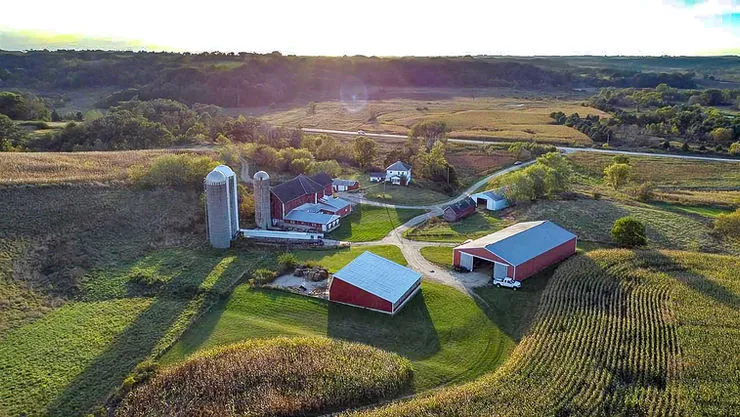
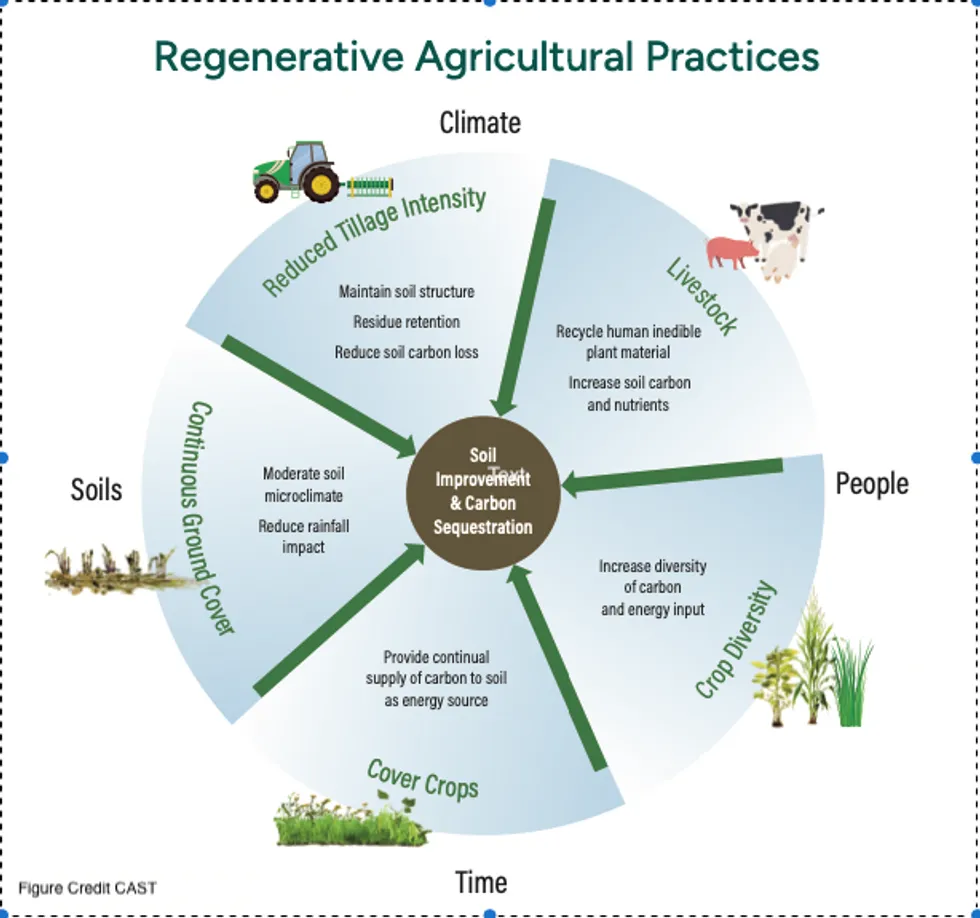
At least one contributor at Forbes magazine seems to actually understand regenerative agriculture. A recent article in Forbes titled "Regenerative Agriculture is Moving Forward" highlighted the Regen Ag portion of the annual Sustainable Brands meeting and the growing demand among brands for regeneratively produced ingredients. The article did a nice job explaining what regen ag is; focusing on soil health and unifying principles of biodiversity and nutrient circularity.
Even though I spend half my professional life in the board room and consulting with ag corporations, I maintain a level of skepticism any time a big corporate entity starts talking about their sustainability or regenerative efforts. I am allowing myself a glimmer of hope that perhaps we've learned some things and "Regeneratively Grown" has the chance to be meaningful to consumers and to be a driver for much needed change in our food production systems. Certification programs like Regenified are certainly doing their part to make sure the certification has meaning from the soil all the way through nutrient density.
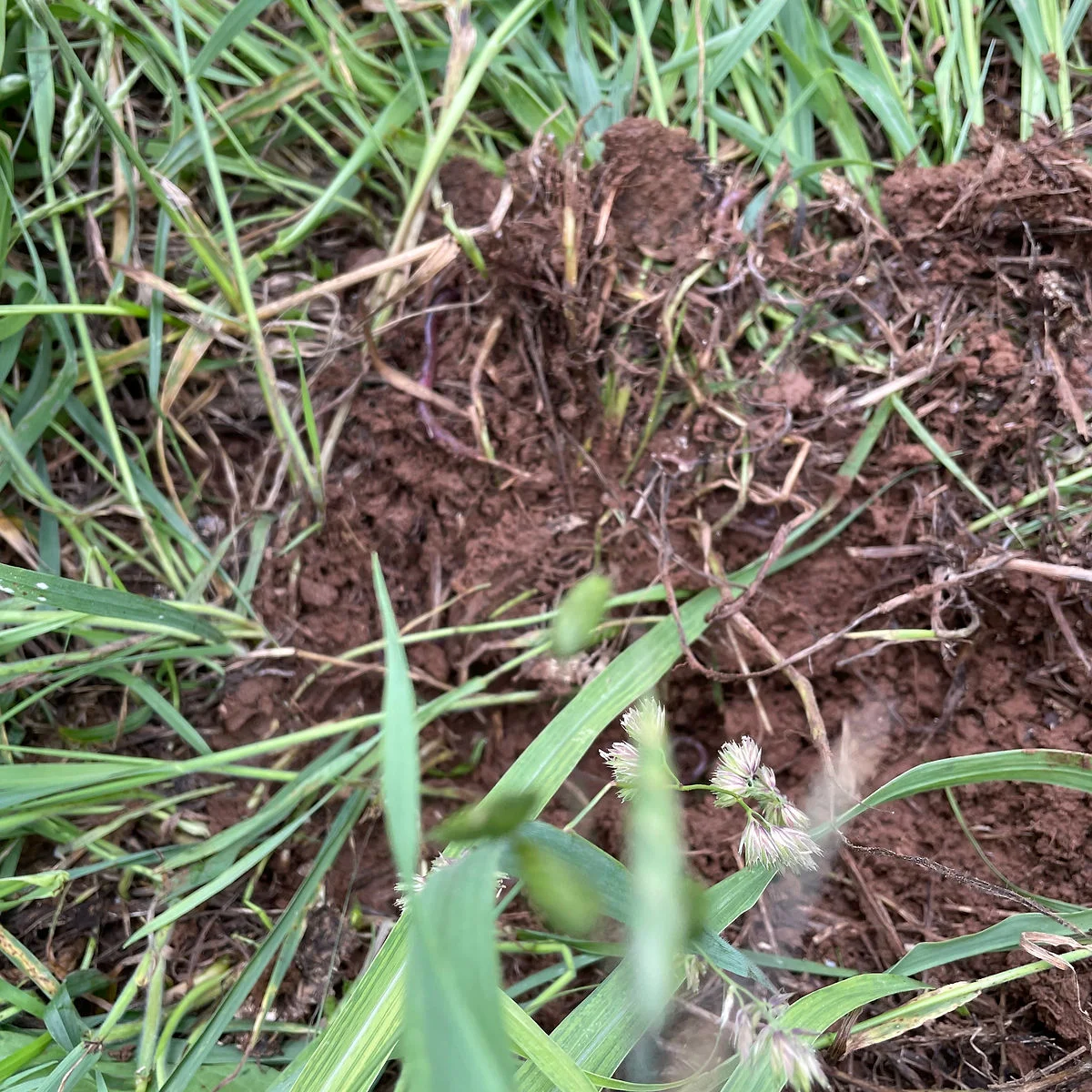
The article points out several elements that are emerging as critical for the successful wholesale transition from resource-intensive and soil-destroying current practices. I heard many of these echoed at the recent ACRES USA Eco-Ag conference I attended earlier this month in Madison, WI. The summary below is my own synthesis of those opinions and my own.
Farmer Focus: Letting the farmer decide what works in their individual context. Regenerative is not a recipe, it is context dependent and outcomes driven

Trust: This encompasses avoiding greenwashing(and co-opting by corps and commodity organizations looking to protect their current systems. It also means avoiding senstionalizing or over-selling either Regen's good points or Conventional's problems.
Transition Support: Costs and risks need to be shared across the production and consumption chain. Farmers and consumers need access to information and like-minded communities so we all don't have to find our way to healthier food and healtheir soil alone.
Verification: Independent, third-party verification of claims to avoid green-washing. Ideally verification will focus more on outcomes than practices. One of the issues with organic (which in principal should be regenerative) is that it is possible to follow the rules and still be detrimental to the ecosystem.

About Sara Faivre
Author at Wild Type Ranch. Passionate about sustainable farming and sharing the journey of raising animals the right way.
View all postsStay Updated from the Ranch
Get the latest posts, recipes, and farm updates delivered to your inbox. No spam, just good stuff from the ranch.
We respect your privacy. Unsubscribe anytime.
Comments
No comments yet. Be the first to share your thoughts!